Key Takeaways:
- Efficient cooling solutions can help lower energy costs and improve comfort.
- Portable cooling provides flexibility without major infrastructure changes.
- Targeted cooling can help reduce heat stress and support productivity.
- Different environments require different cooling technologies.
- Small efficiency improvements can add up to significant long-term savings.
Industrial air conditioning and eco-friendly cooling technologies can help businesses reduce energy costs and improve workplace comfort. When the blistering summer heat rolls in, it doesn’t just make people uncomfortable; it disrupts productivity, puts additional strain on equipment, and sends your energy bills soaring. Industrial air conditioning might be the obvious solution for many, but it’s far from the only one. With each season getting hotter (and staying that way longer), it’s time to look beyond standard AC solutions and explore the diverse world of industrial cooling.
Industrial cooling solutions can be designed for spaces ranging from large warehouses and manufacturing plants to busy stockrooms and mixed-use facilities. These systems can be tailored to meet specific operational needs, ensuring efficient performance. In many cases, combining multiple cooling solutions delivers the best results, improving effectiveness while reducing energy costs.
WHAT INDUSTRIAL AIR CONDITIONING CHALLENGES ARE YOU FACING IN YOUR SPACE?
That’s the key question, because every facility is unique—there’s no one-size-fits-all solution that will be both effective and efficient. Before choosing the best approach, it’s critical to fully understand the problem. Even within a single building, different areas may require different eco-friendly industrial cooling strategies based on their specific conditions and needs.
IDENTIFYING YOUR FACILITY’S UNIQUE INDUSTRIAL COOLING CHALLENGES IS KEY TO CREATING AN EFFECTIVE, ENERGY-EFFICIENT HVAC STRATEGY:
- Are your workers highly active and constantly on the move? Physical activity generates additional body heat and increases the need for effective airflow and cooling. Fans, evaporative coolers, or targeted cooling solutions can help improve comfort and reduce heat stress during the summer months, especially in dry heat zones.
- Is your facility in a humid climate? Humidity significantly impacts cooling performance. Some systems perform well in high humidity, while others are far less effective, making system selection critical.
- How high are the ceilings in your office or facility? Taller spaces often require enhanced airflow strategies, such as:
- Ceiling fans or destratification fans
- High-level exhaust or return vents
- Displacement ventilation systems
- Is your workforce split between desk work and physical labor? Different work types generate different cooling needs, often requiring tailored solutions for each area.
- Are doors frequently opened? This is common in warehouses, loading docks, and retail spaces. Frequent door openings allow cool air to escape, leading to energy loss and higher operating costs.
CENTRAL COOLING VS. PORTABLE COOLING: YOU PROBABLY NEED BOTH.
Central air conditioning is the cooling backbone of many industrial facilities. It offers consistent temperature control, cleaner air, and quiet operation; but in many situations, it isn’t enough. Central AC provides the foundation, while portable cooling units deliver targeted relief in hot zones.
Portable industrial cooling units can step in to fill the gaps. Maybe there’s a sunny corner of your warehouse that overheats by noon, or a workstation with lots of heat-generating equipment. Adding a portable cooling unit can help address localized hot spots without increasing cooling demands across the entire facility, improving comfort while reducing unnecessary energy consumption.
To sum up, if you want to know how to reduce HVAC energy costs, the following combo approach works best:
- Central AC provides baseline cooling and improves indoor air quality.
- Portable solutions like AC units, fans, portable evaporative coolers, and industrial misting fans offer targeted relief where it’s needed most.
HOW NEW INDUSTRIAL COOLING TECHNOLOGY IS CHANGING THE GAME
If your HVAC system is more than 10 years old (and there’s a high chance it is), it might be doing the job, but at a cost; and that’s why smart industrial cooling technologies matter. Modern systems include smart controls, green materials, and seamless integration with building systems. Energy-efficient HVAC systems can help reduce operating costs while maintaining consistent indoor conditions.
Key innovations include:
- Bluetooth and WiFi-enabled thermostats and equipment that allow for real-time monitoring and control, often from a smartphone or tablet.
- Programmable timers let you adjust cooling equipment operation to your schedule, preventing waste during off-hours.
- Eco-friendly refrigerants that lower your carbon impact.
- Energy-efficient motors and fans that use less electricity while maintaining airflow.
These upgrades aren’t just fancy devices; they have the potential to save thousands of dollars annually, and are crucial in designing & implementing energy-efficient HVAC systems.
WHY HVAC ENERGY EFFICIENCY MATTERS
Energy inefficiency affects everything from equipment lifespan to employee satisfaction, with older systems utilizing outdated technology and components that are less efficient than today’s options
Here’s what an energy-efficient system brings to the table:
- Reduce HVAC Energy Costs While Enhancing Comfort. The Department of Energy reports that HVAC systems account for nearly 35% of total energy use in the average commercial building. Efficient equipment can significantly reduce HVAC-related energy consumption, helping lower operating costs over time. While actual savings vary based on factors such as facility size, equipment, and operating conditions, even incremental improvements can deliver meaningful cost savings year after year.
- Reduce Carbon Footprint. Energy-efficient cooling systems use less power, which translates into fewer greenhouse gas emissions. If your company is aiming for net-zero goals, optimizing your HVAC system is a key step toward eco-friendly industrial air cooling.
- Increase Equipment Lifespan. When your system is working at peak efficiency, you are reducing normal wear and tear, and that means fewer breakdowns and a greatly increased lifespan for costly AC components.
- Improve Indoor Air Quality. Energy-efficient systems are better at balancing humidity and ventilation, which helps reduce dust, allergens, and airborne contaminants.
- Get Happier Staff and Customers. When you’re working in a cool, clean, well-ventilated space, you feel better and you work better. As a customer, you’re more likely to spend more time browsing.
TOP FOUR STRATEGIES TO BOOST COOLING EFFICIENCY
Even the best system needs support. Here’s how to get the most out of your investment:
- Schedule Regular Maintenance. Check and replace filters, inspect ductwork, and calibrate your thermostats. Preventative maintenance like this ensures you catch issues before they turn into costly repairs and system overhauls.
- Use Smart Controls. Bluetooth and programmable thermostats let you automate when and where cooling happens, often at the touch of a button. No more wasting energy after hours or on weekends.
- Seal and Insulate. Poor insulation can lead to massive energy losses. Perform a building check for leaks; seal doors, windows, and loading docks; insulate & seal ducts; ensure the cool air stays inside and lower your operating costs at the same time.
- Zone Your Eco-Friendly Industrial Cooling. As we mentioned earlier, not every part of the building needs the same temperature. Use portable equipment or zoning controls to direct resources only where and when they’re needed.
WHICH INDUSTRIAL COOLING PRODUCTS ARE RIGHT FOR YOU?
Now that you know the basics of industrial air conditioning and how to balance a system, let’s take a closer look at the most effective industrial cooling technologies and what they’re best used for:
CENTRAL AIR CONDITIONERS
Best for: Full-building cooling, consistent indoor climates, high-value spaces like offices or temperature-sensitive storage.
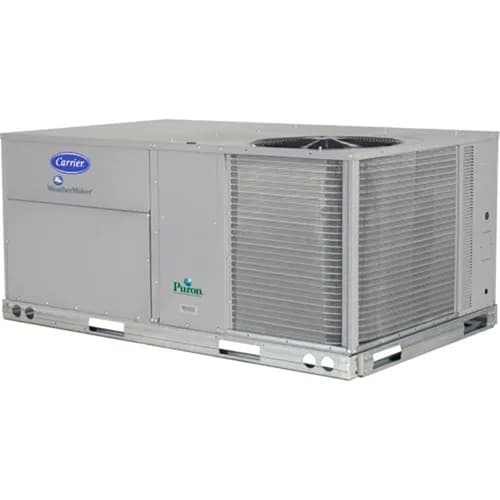
CENTRAL AIR CONDITIONERS
Best for: Full-building cooling, consistent indoor climates, high-value spaces like offices or temperature-sensitive storage.
- Central industrial air conditioning systems deliver steady, reliable cooling across large spaces
- They filter and circulate air, helping improve indoor air quality.
- Great for reducing noise pollution compared to portable AC units or fans.
- Long-term cost savings through efficient operation, especially when paired with smart thermostats.
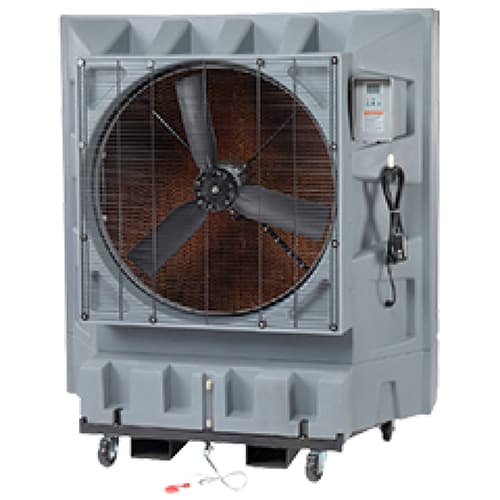
EVAPORATIVE COOLERS (AKA SWAMP COOLERS)
Best for: Hot, dry environments like warehouses or garages in the Southwest.
- Portable evaporative coolers for commercial use are both convenient and energy efficient.
- They work by passing hot air through a wet filter or pad, cooling it down as the water evaporates.
- No refrigerants are used, which makes them a top choice for eco-friendly industrial cooling.
- Portable swamp cooler options can provide substantial cooling in hot, dry climates, with performance varying based on temperature and humidity levels.
- Excellent evaporative coolers for commercial use.
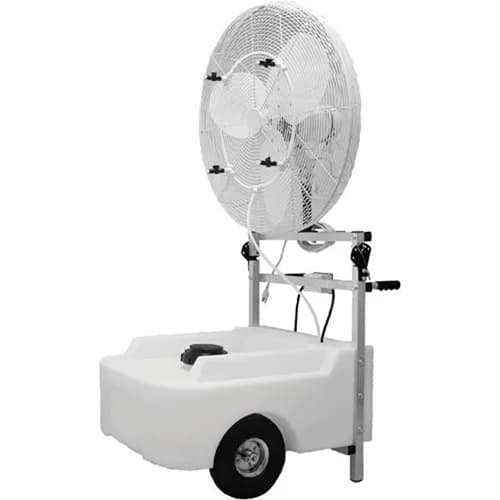
MISTING FANS
Best for: Outdoor spaces, semi-open buildings, event venues, and loading docks. Consider outdoor weddings, parks, and places where there is a lot of exposure to the sun.
- Misting fans use fine water mist pushed by a fan to create rapid cooling through evaporation.
- Excellent for reducing heat stress in physically demanding environments.
- Modern models offer adjustable mist levels and wide coverage.
- Look for industrial misting fans for sale that offer portability and coverage.
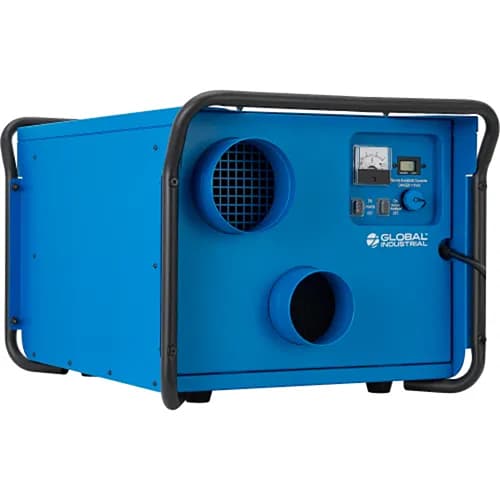
DEHUMIDIFIERS
Best for: High-humidity zones like coastal areas, storage spaces, or facilities with water-intensive processes (food & beverage processing, chemical manufacturing, pulp and paper mills).
- These are portable units that remove moisture from the air.
- Lower humidity makes the space feel cooler and prevents mold or mildew.
- Ideal for warehouses storing paper goods, electronics, or perishables.
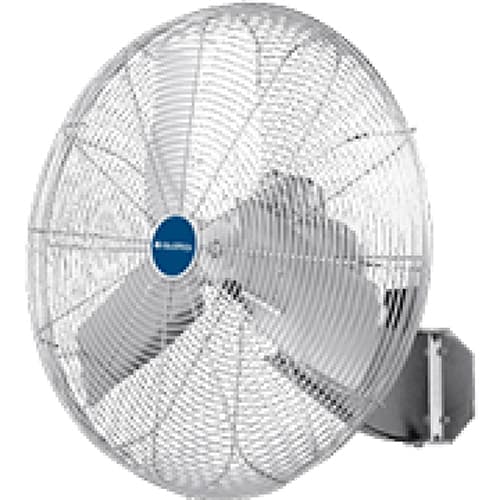
COOLING FANS
Best for: General airflow, hot work zones, and areas with high ceilings.
- Simple, portable, and incredibly versatile.
- Helps with body heat dissipation and sweat evaporation, making workers feel cooler.
- Improve air circulation and help reduce heat buildup, contributing to a more comfortable work environment.
- A key component of portable cooling units for large spaces.
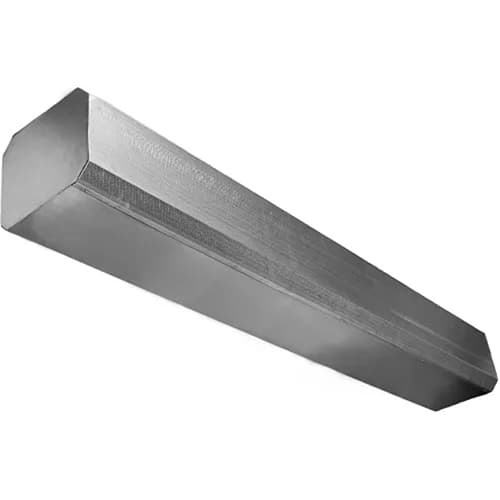
AIR CURTAINS
Best for: Entrances, open bays, warehouse doors, and retail front doors.
- Create a barrier of high-velocity air that separates inside and outside temperatures.
- Reduce energy loss in industrial facilities.
- Help reduce the exchange of conditioned indoor air and outdoor air, improving energy efficiency even when doors are frequently opened.
- Reduce or eliminate bugs, dust, and pollutants from entering the facility.
MAKE THIS YOUR COOLEST SUMMER YET
Discover the best industrial air conditioning and energy-efficient cooling solutions. Visit our Cooling Equipment Guide for expert advice and explore portable and central HVAC options tailored to your facility.
With the right combination of eco-friendly industrial cooling, portable evaporative coolers, smart tech, and regular maintenance, you can keep your workers productive, your equipment protected, and your energy bills under control.
Visit our Cooling Equipment Guide to learn more and explore the full range of industrial cooling technologies built for today’s workplace. If you need help selecting the right products, one of our experts will be happy to assist.
Frequently Asked Questions
What are the benefits of portable cooling equipment?
Portable cooling solutions can provide targeted temperature control, improve employee comfort, help protect heat-sensitive equipment, and supplement existing HVAC systems without major infrastructure changes.
What is the difference between portable air conditioners and evaporative coolers?
Portable air conditioners provide refrigerated cooling and are best for enclosed spaces. Evaporative coolers use water evaporation to lower temperatures and are most effective in well-ventilated, low-humidity environments.
Are portable cooling units expensive to install?
No. Most portable cooling solutions require little or no permanent installation, making them a cost-effective alternative to major HVAC upgrades.
Can portable cooling solutions supplement existing HVAC systems?
Yes. Portable air conditioners, evaporative coolers, and misting fans can help address localized hot spots and reduce the strain on central HVAC systems.
The information contained in this article is for informational, educational, and promotional purposes only and is based on information available as of the initial date of publication. It is the reader’s responsibility to ensure compliance with all applicable laws, rules, codes, and regulations. If there is any question or doubt in regard to any element contained in this article, please consult a licensed professional. Under no circumstances will Global Industrial® be liable for any loss or damage caused by your reliance on this article.